Physical Office: Complete Guide, Benefits, Real Examples, and How to Choose
A physical office refers to a dedicated, real-world workspace used by companies to manage operations, meet clients, and support daily business activities. Even in today’s digital age, physical offices remain an essential part of many businesses because they improve team productivity, create a professional impression, and support structured workflow.
Having a physical office also helps build trust, especially for companies dealing with clients who prefer in-person discussions. While remote work is growing, many organizations still rely on in-office collaboration to maintain culture and efficiency.
Why Physical Offices Still Matter
Growing Need for Professional Workspaces
Physical offices continue to be relevant for businesses that require secure spaces, private meeting rooms, and environments with controlled resources. This type of workspace provides a stable location where teams can stay focused, conduct brainstorming sessions, and maintain consistent routines.
Having a fixed office also helps companies protect sensitive information and maintain proper record-keeping. It gives employees structured work habits that often lead to higher performance.
Creating a Strong Brand Presence
A physical office acts as a representation of your brand. The layout, design, and location can significantly influence how clients see your business. A well-designed physical office increases credibility and reassures clients about the stability of your company.
This becomes especially important for industries such as legal services, finance, consulting, and healthcare, where trust is a major purchasing factor.
Real-World Physical Office Examples
Below are five real-world types of physical offices commonly used by modern businesses.
Modern Private Office
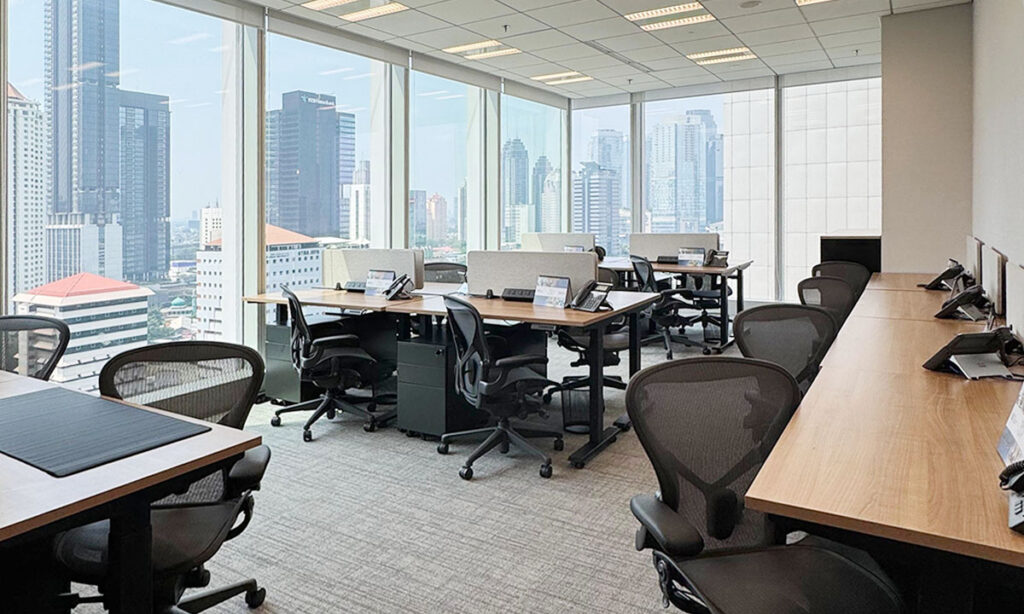
A modern private office is a dedicated room designed for business owners, executives, or small teams who require privacy. It is usually equipped with ergonomic furniture, secure storage, and soundproofing to maintain confidentiality. These offices are ideal for one-on-one client meetings or focused work that requires minimal distractions.
This private office model helps professionals maintain authority and improve their productivity through a well-organized personal working environment.
Benefits of Modern Private Office
Modern private offices support better concentration and help protect sensitive documents. This type of space is suitable for managers and specialists who need quiet environments to make strategic decisions.
Professionals benefit from a permanent location that helps them work comfortably while maintaining separation between personal and professional life.
Use Case
Businesses that handle confidential information, such as accounting firms or legal consultants, often require these private spaces to ensure privacy with clients. It solves problems related to noise, interruptions, and limited space at home.
Small Team Office Suite
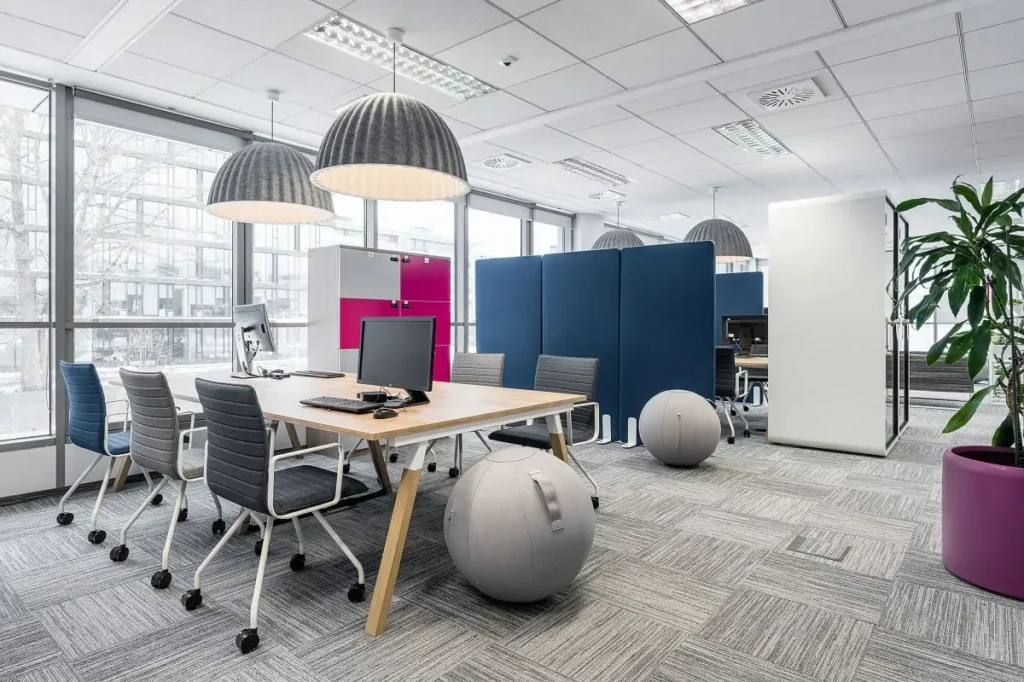
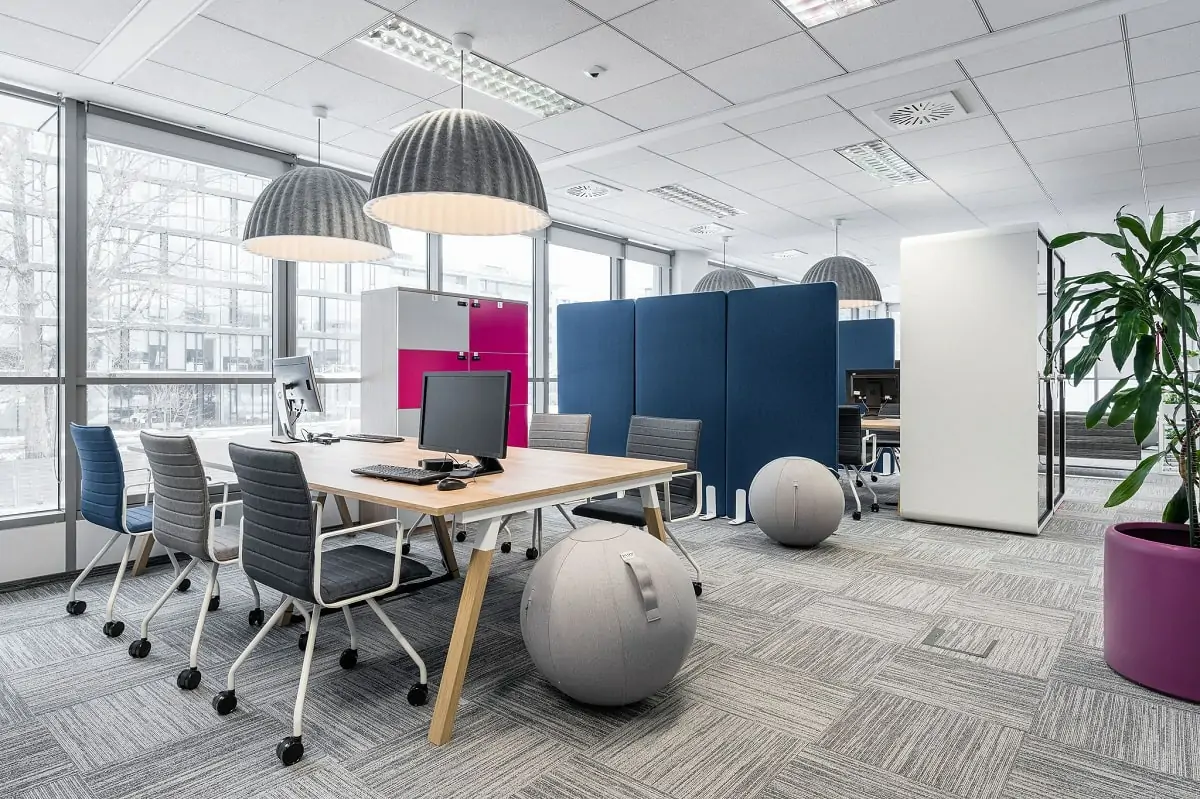
A team office suite is designed to accommodate small groups of 3 to 10 employees. It includes shared desks, meeting tables, collaborative zones, and sometimes private breakout areas. These suites create a balanced working environment where collaboration and productivity can happen naturally.
They are perfect for tech startups, creative teams, or departments that require close day-to-day interaction.
Benefits of Team Office Suite
Team office suites enhance communication because team members stay close and can easily discuss ideas. This increases workflow efficiency and reduces delays, especially for fast-paced companies.
The spaces are often designed with flexibility, allowing teams to move furniture based on their working style.
Use Case
A startup launching a new product will benefit from this setup because the team needs to communicate quickly. It solves the problem of slow coordination between remote workers and improves overall project execution.
Executive Corner Office
Executive corner offices are premium spaces usually reserved for CEOs or high-level directors. Located at strategic corners of the building, they offer larger areas, better lighting, and an exclusive atmosphere.
This type of office reflects leadership and authority while providing comfort for long working hours or important business negotiations.
Benefits of Executive Corner Office
Executives receive a luxurious, comfortable space designed for decision-making and hosting VIP guests. The environment promotes confidence, professionalism, and strategic thinking.
It also creates a positive impression for clients, partners, and new hires, enhancing the company’s brand image.
Use Case
High-level management often handles critical negotiations that require privacy and prestige. This office model solves the problem of inadequate meeting environments and offers a space compatible with executive responsibilities.
Meeting and Conference Office
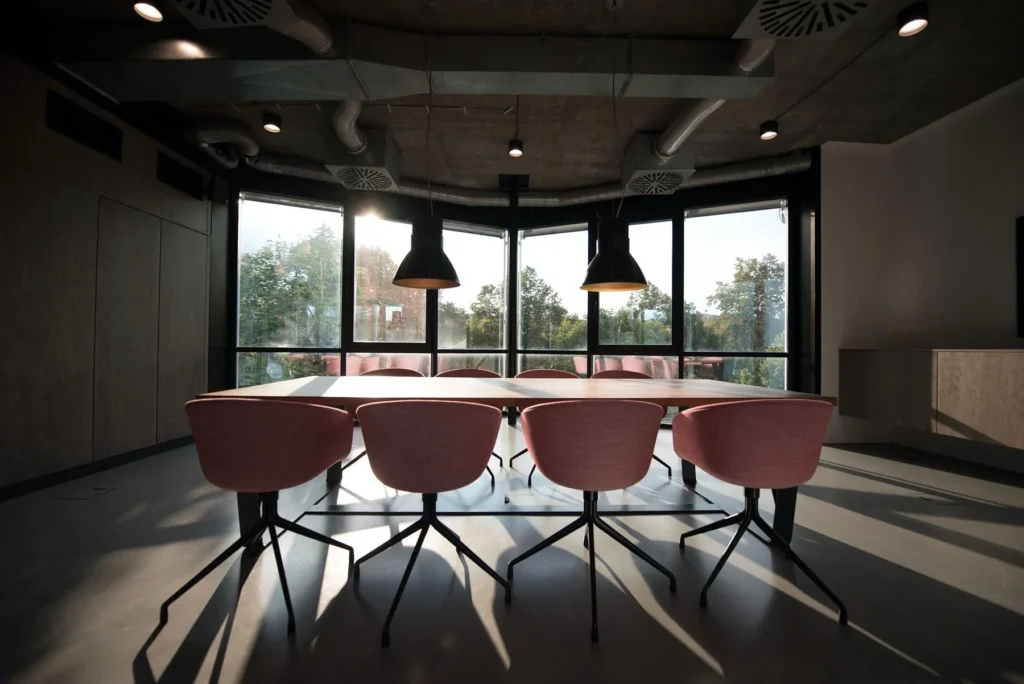
Meeting and conference offices are dedicated rooms used for presentations, negotiations, team meetings, and training sessions. They generally include projectors, whiteboards, screens, comfortable seating, and acoustic features.
These rooms help facilitate structured communication for teams, clients, and partners.
Benefits of Meeting Rooms
Meeting rooms organize discussions and ensure that important decisions are made in a comfortable, professional setting.
They reduce noise interruptions and allow teams to focus on the agenda without distractions.
Use Case
Companies conducting weekly strategy sessions or frequent client meetings rely on these spaces to maintain productivity. They solve issues related to coordination, presentation quality, and privacy.
Hybrid Workspace Office
A hybrid workspace combines open seating, private rooms, and collaborative zones in one location. It is ideal for businesses adapting to flexible work arrangements. Hybrid offices accommodate both remote and on-site workers, allowing them to shift smoothly between individual and team tasks.
The open layout encourages creativity and dynamic teamwork, while private spaces keep confidentiality intact.
Benefits of Hybrid Workspace
Hybrid offices support different working styles, making them perfect for companies with diverse roles. The flexibility increases employee satisfaction and reduces space limitations.
This model also allows companies to downsize or expand without fully relocating.
Use Case
Organizations using hybrid schedules face challenges in assigning workstations. A hybrid office solves this by offering flexible seating and shared zones that adapt to daily needs.
Benefits of Using a Physical Office
Enhances Professional Image
A physical office allows businesses to showcase professionalism and reliability. Clients tend to trust companies with physical locations because it shows stability and commitment. A professional office also improves brand identity and customer confidence.
Improves Team Collaboration
Face-to-face communication in physical offices leads to faster problem-solving and better teamwork. Employees naturally share ideas and help each other, strengthening company culture.
Better Control and Security
Physical offices provide controlled environments where companies can secure documents, equipment, and sensitive data. This helps minimize internal and external risks.
Supports Productivity
Dedicated office environments reduce distractions that are common in remote setups. Structured work routines improve focus and efficiency among team members.
How to Buy or Rent a Physical Office
Since links are to be removed, here is a clear guide on how to buy or rent a physical office without specific URLs:
1. Search for Available Office Listings
Look for office listings on popular real estate platforms or local commercial property agents. Choose locations that match your business needs, such as near transportation, city centers, or business districts.
2. Visit the Property
Always conduct an in-person visit to check layout, lighting, neighborhood, building condition, and safety compliance.
3. Compare Prices
Compare rental or purchase prices based on size, facilities, and location. Make sure the chosen office fits your long-term budget.
4. Negotiate
Negotiate terms such as maintenance fees, contract length, renovation rights, and included utilities.
5. Finalize Contract
Read the contract carefully and consult a legal advisor if needed to ensure all terms are clear.
FAQ
1. Do small businesses really need a physical office?
Not always, but having a physical office increases professionalism and helps in industries that rely heavily on client trust and structured collaboration.
2. What size office should a new company choose?
Choose based on your current team size with consideration for future growth. A small suite is ideal for teams of 3–10 people.
3. Can a physical office improve employee performance?
Yes. Structured environments, fewer distractions, and clearer communication positively affect productivity and team engagement.