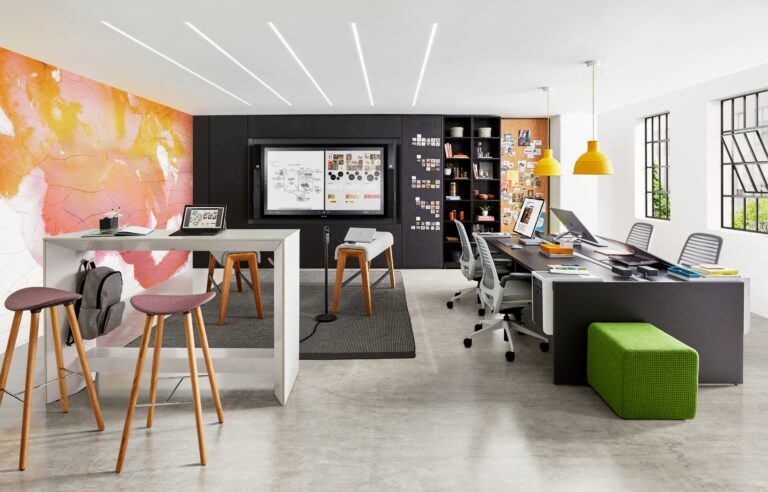
Short Term Office Spaces – Flexible Solutions for Modern Businesses
In today’s fast-changing work environment, flexibility is everything. Businesses no longer want to be tied to long leases or spend months setting up an office before operations can begin. This is where short-term office spaces come in — they provide ready-to-use, fully furnished offices that can be rented for days, weeks, or months.
Whether you’re a startup testing a new market, a hybrid team meeting in person, or a project team working temporarily in another city, short-term office spaces offer the ideal solution. They combine convenience, flexibility, and a professional setting — all without long-term commitments or high setup costs.
What Are Short-Term Office Spaces?

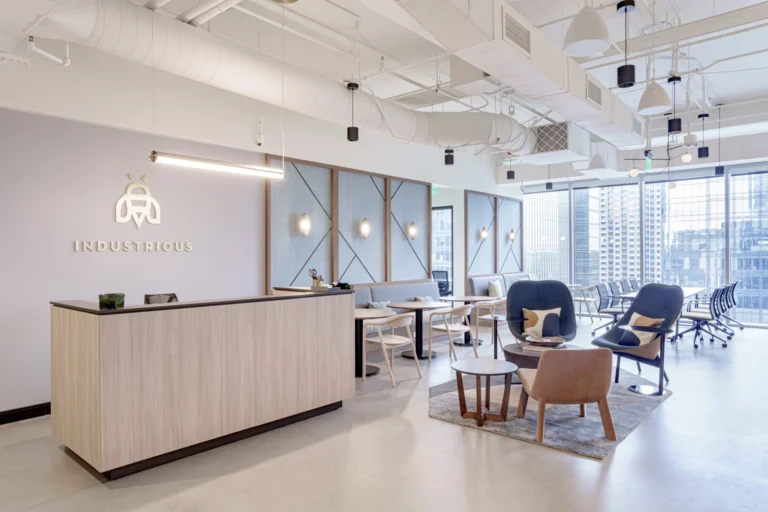
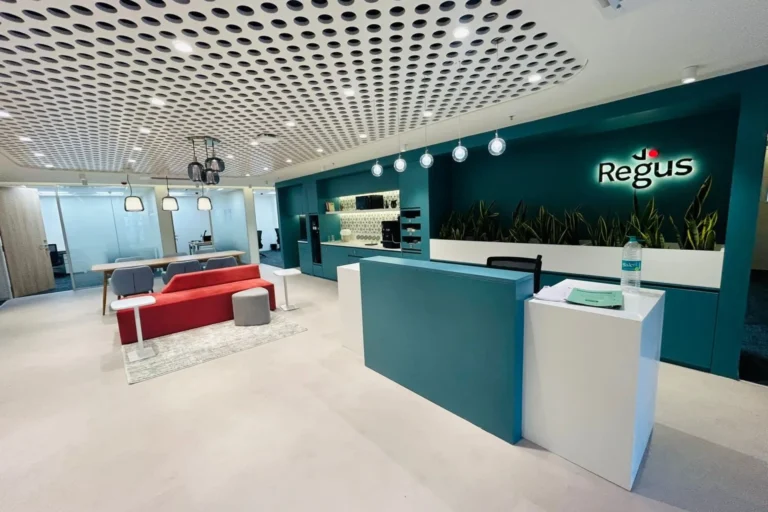
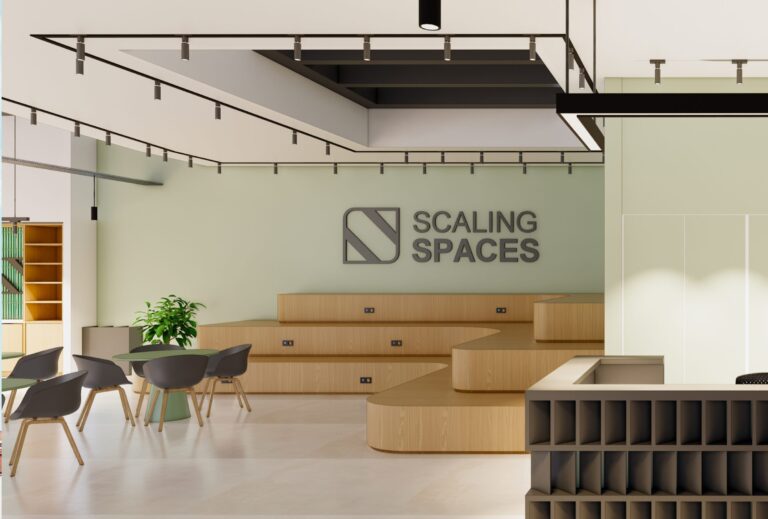
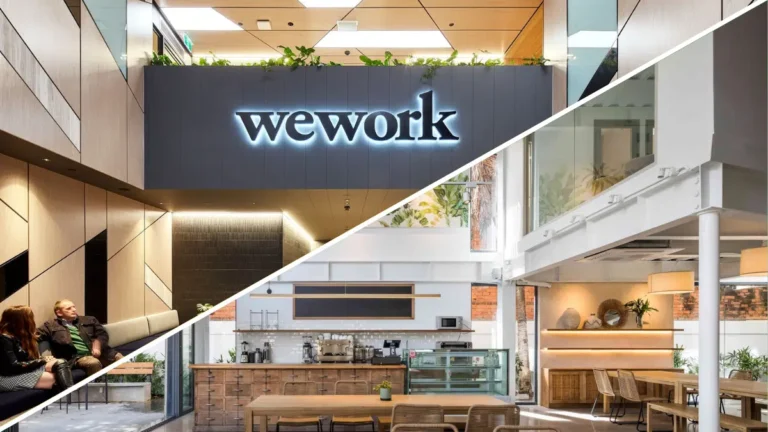
Short-term office spaces are fully equipped workspaces available for flexible rental periods — often anywhere from a single day to several months. Unlike traditional offices that require multi-year leases, these spaces come ready for immediate use with furniture, Wi-Fi, and utilities already set up.
They can range from small private offices for one or two people to larger spaces that accommodate entire teams. Some companies use them only a few days a week, while others rent them for several months during busy project periods.
The Difference from Traditional Offices
Traditional office leases are often rigid, expensive, and time-consuming to establish. They require long-term contracts, upfront deposits, and interior setup. In contrast, short-term office spaces eliminate these challenges. You pay only for the duration and space you need — and everything from internet to meeting rooms is already included.
In short, these offices allow you to focus on business immediately, not logistics.
Common Types of Short-Term Office Arrangements
- Private short-term offices: Small or large rooms rented for one month or more.
- Day offices: Fully equipped offices rented for a day or a few hours.
- Coworking spaces: Shared environments with flexible desk options and community benefits.
- Meeting rooms and project spaces: Temporary spaces for client meetings, team projects, or training events.
Why Choose Short-Term Office Spaces?
Short-term office spaces are becoming a preferred option for modern professionals and organizations. Below are the key benefits that make them so valuable.
Flexibility and Scalability
Perhaps the greatest benefit is flexibility. Businesses can scale up or down easily depending on their needs. If your team expands, you can rent a larger space; if you downsize, you simply release the extra space. This adaptability makes short-term office spaces perfect for startups, project-based teams, or growing organizations.
Cost Efficiency
Short-term offices eliminate the heavy upfront costs of traditional leases. You don’t need to pay for renovations, furniture, or maintenance — it’s all included in your rent. You only pay for the space you use, for as long as you need it. This allows better control over cash flow and budget.
Convenience and Speed
Short-term office spaces are plug-and-play environments. You can move in immediately and start working the same day. All essential amenities — such as desks, chairs, internet, lighting, and cleaning services — are already set up. This convenience makes it easy to focus on productivity instead of operations.
Professional Image and Prime Location
These spaces are often located in central business districts, providing an immediate professional presence. This helps companies impress clients and access transportation, restaurants, and city services easily — all while maintaining a polished corporate image.
Ideal for Hybrid and Remote Work Models
Short-term offices perfectly support hybrid work models. Many teams that primarily work remotely use these offices for in-person meetings, brainstorming sessions, or client presentations. They allow flexibility without long-term commitment — ideal for modern hybrid work arrangements.
How Technology Enhances Short-Term Office Spaces
Technology plays a major role in making short-term offices efficient and comfortable. Below are several ways technology enhances their functionality and value.
Smart Infrastructure and High-Speed Connectivity
Modern short-term offices are equipped with reliable high-speed internet, strong Wi-Fi, and secure networks. They also offer digital access systems, conference room booking tools, and audio-visual setups for virtual meetings. This ensures that teams can operate smoothly, even on short notice.
Modular and Portable Furniture
Many short-term offices use modular furniture and movable office pods. These can be easily reconfigured based on the team’s size or project type. For example, soundproof pods provide private areas for calls or meetings in otherwise open-plan spaces. This flexibility is essential for short-term setups that may change frequently.
Online Booking and Management Platforms
Office providers often use digital platforms that allow clients to book spaces by the day or hour. Businesses can view availability, adjust bookings, and manage payments online — much like reserving a hotel room. This convenience simplifies workspace management for flexible schedules.
Workspace Analytics and Optimization
Some providers offer data-driven insights showing how often each space is used. This allows companies to adjust their rentals and save money. For example, if a space is only used three days per week, the company can switch to a part-time plan instead of paying for full-time usage.
Integrated Support Services
Technology also connects clients with support services like IT help, reception, cleaning, and mail handling. These services are managed digitally, so you can request help or manage resources through mobile apps or dashboards — making the entire experience seamless and efficient.
Real-World Products That Support Short-Term Office Spaces
Here are five examples of real products that help enhance short-term office setups. These items make flexible workspaces more private, efficient, and comfortable.
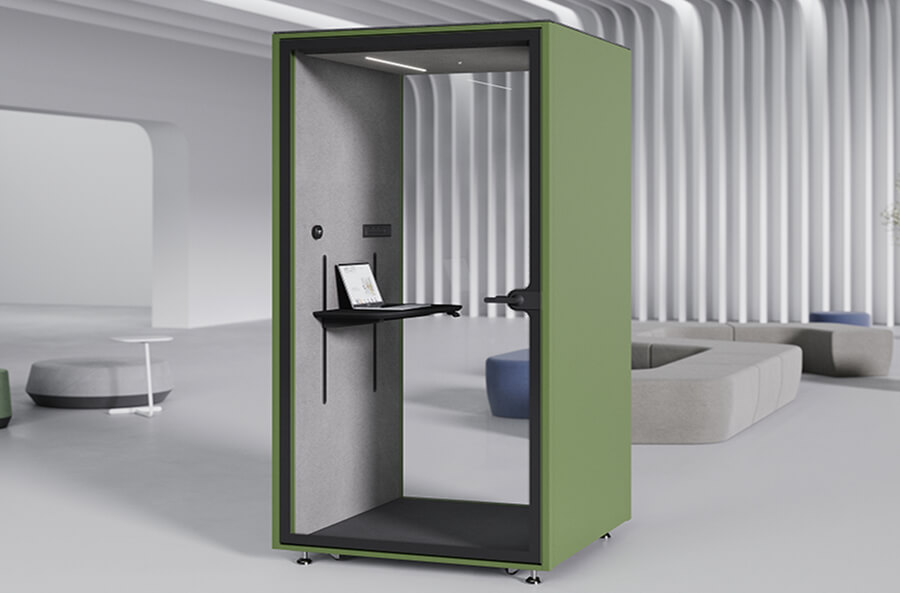
EchoBox Four-Seater Acoustic Pod
Description:
A high-quality acoustic pod designed for up to four people. It features soundproof walls, glass doors, built-in lighting, and power outlets.
Benefits:
This pod creates a private, quiet area inside a shared office, allowing small teams to hold meetings or make calls without distraction.
Use Case:
A temporary project team rents a short-term office and uses this pod as their meeting zone. It eliminates noise and provides privacy without needing to construct a new room.
Problem Solved:
In open offices, noise and lack of privacy are common. This pod provides an instant solution while keeping the setup flexible and movable.
Where to Buy:
Available through professional workspace furniture suppliers.
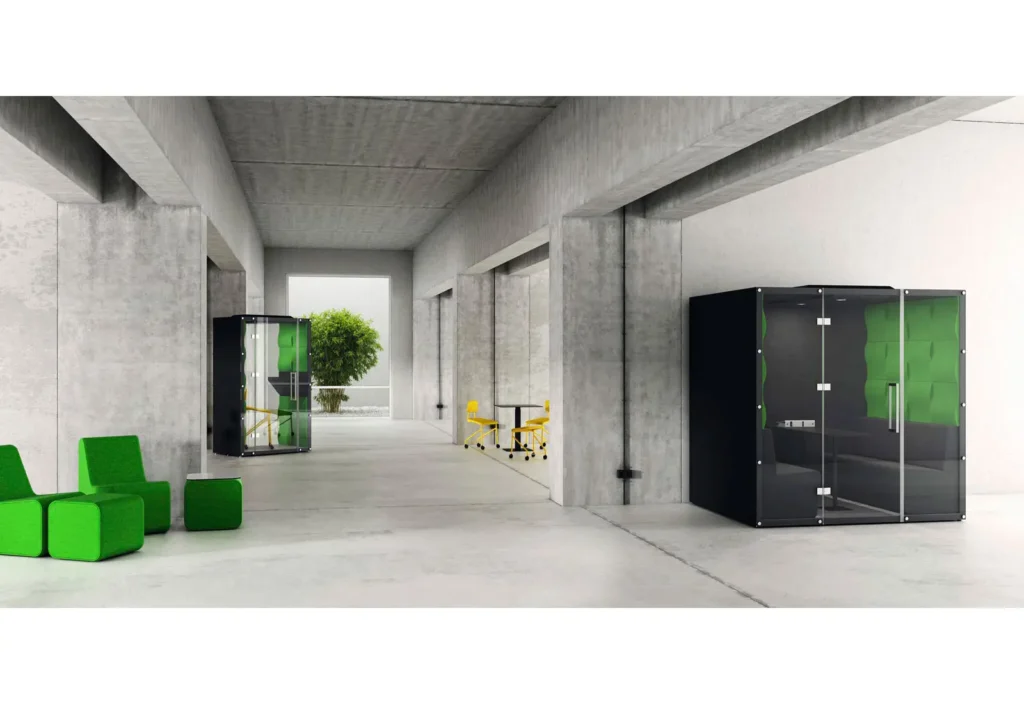
Vank Flat Acoustic Pod
Description:
A compact, minimalist pod for one or two users, designed for focus work or confidential calls. It includes lighting, ventilation, and USB power access.
Benefits:
It’s perfect for individuals who need concentration or privacy in a shared workspace. Its small footprint fits easily in temporary offices.
Use Case:
A freelancer renting a shared office for two weeks installs this pod for video calls and client meetings.
Problem Solved:
Noise from nearby desks is blocked, helping maintain professionalism during online meetings.
Where to Buy:
Available from modern office furniture distributors.
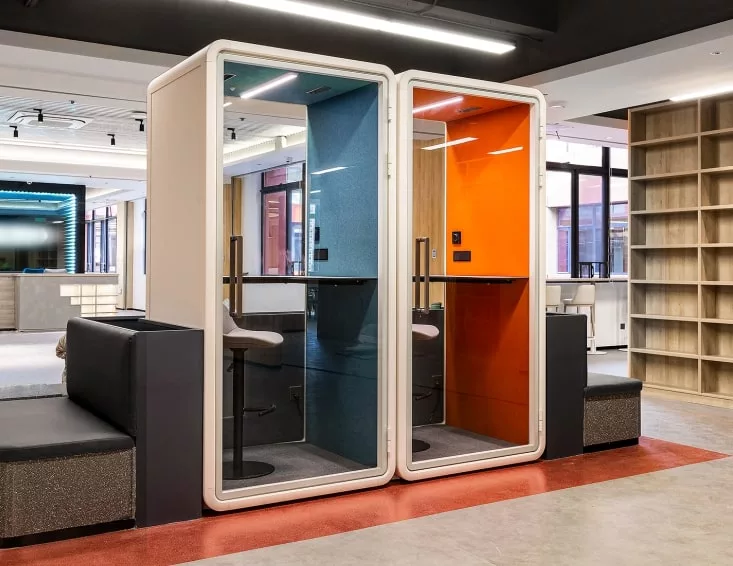
Soundproof Mobile Office Pod Booth (4–6 People)
Description:
A larger meeting pod that can fit up to six people. It’s soundproof, mobile, and includes integrated lighting and furniture.
Benefits:
Provides an instant meeting space that can be moved or dismantled easily at the end of a short lease.
Use Case:
A startup renting a short-term office for three months uses this booth as their main conference room. When their contract ends, they simply move it to the next location.
Problem Solved:
Avoids the high cost and inflexibility of building permanent meeting rooms.
Where to Buy:
Offered by various workspace furniture and booth manufacturers.
Office Phone Booth Meeting Pod
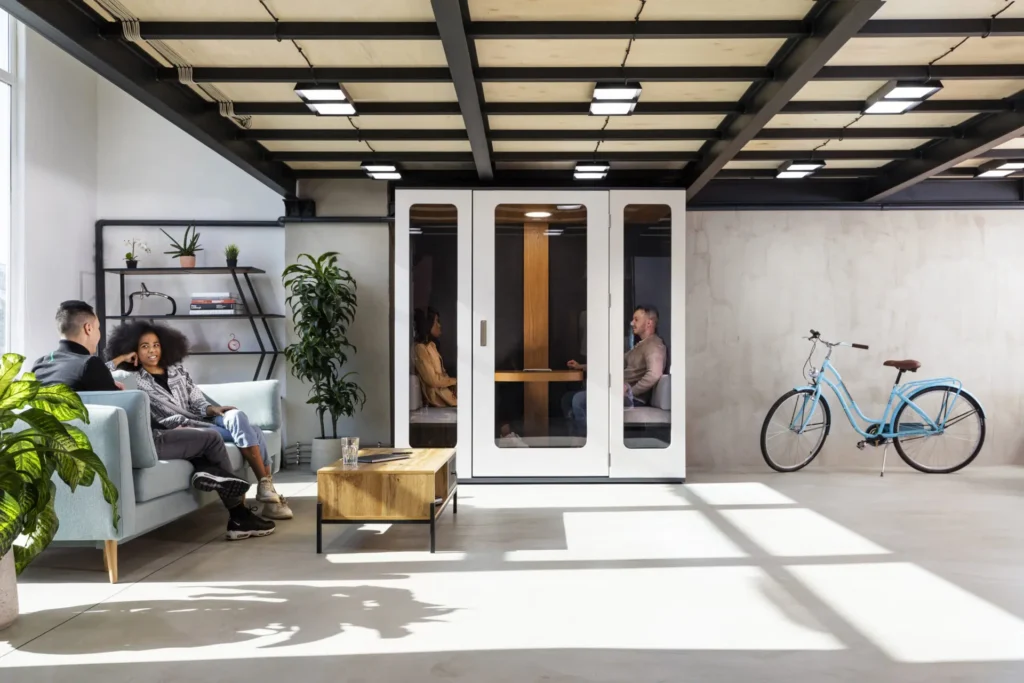
Description:
A single-person booth designed for calls or online meetings. Comes with a stool, small desk, LED lighting, and ventilation.
Benefits:
Provides sound isolation for calls in open-plan or shared workspaces. Compact and affordable for short-term offices.
Use Case:
A consultant working in a coworking space installs one booth to handle private client calls.
Problem Solved:
Ensures confidentiality and reduces distractions in noisy environments.
Where to Buy:
Sold by commercial furniture retailers and online stores.
Jinghuan Professional Office Pod
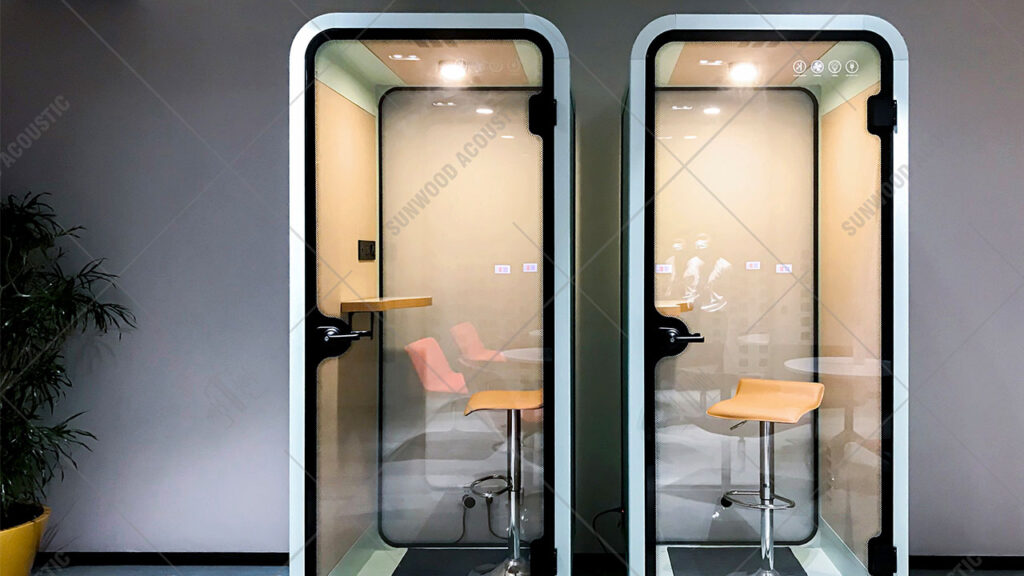
Description:
A modular, multi-person pod system designed for flexibility. Offers strong sound insulation, customizable layouts, and built-in ventilation.
Benefits:
Ideal for teams needing flexible, temporary workspaces during training programs or workshops.
Use Case:
A company running a one-month training program in short-term office installs these pods for breakout sessions.
Problem Solved:
Transforms open office areas into focused training zones without permanent modifications.
Where to Buy:
Available through large-scale office equipment suppliers.
How to Buy and Set Up a Short-Term Office Space
When you decide to rent a short-term office or buy supporting equipment, follow these steps:
- Define your requirements.
Decide how many people will use the space, for how long, and what type of work they will do. Identify what furniture, meeting areas, and internet capacity you’ll need. - Find the right provider.
Look for reputable workspace providers that offer flexible terms. Check what amenities are included and whether the location suits your business needs. - Choose your workspace products.
Select acoustic pods, mobile booths, or modular furniture to enhance your rented space. Decide whether to rent or purchase based on your expected usage frequency. - Negotiate terms.
Short-term rentals can often be customized. Negotiate duration, extension options, and exit flexibility. - Install and integrate equipment.
Coordinate with the office provider to ensure that pods, furniture, and connectivity are installed properly. - Plan your exit.
When your short-term contract ends, plan for the removal or transfer of your equipment. - Review performance and costs.
After using the space, evaluate cost efficiency and team productivity to decide whether to continue, relocate, or scale up.
Common Use Cases for Short-Term Office Spaces
Startups and Growing Businesses
Startups often operate under uncertain conditions. They need office space quickly but don’t want to commit long-term. Short-term office rentals let them focus on growth without large financial risk. When their team expands, they can move easily to a larger space.
Project-Based or Seasonal Teams
Companies that run short-term projects or events often need temporary workspaces. A three-month product launch, for example, may require a dedicated office. Once the project ends, the company can vacate the space with no further obligations.
Remote and Hybrid Teams
With remote work now standard, many organizations bring their teams together occasionally for collaboration. Short-term offices provide professional meeting environments for these in-person sessions.
International and Satellite Offices
Businesses entering a new market may test their presence by renting short-term space before committing to a long-term lease. It’s a smart way to explore new opportunities without high overheads.
Transition or Renovation Periods
When a company’s main office is under renovation, short-term offices act as a temporary headquarters. Teams stay productive without disruption.
Common Mistakes to Avoid
- Ignoring connectivity needs: Always confirm that the space provides strong, reliable internet.
- Over-customizing a temporary space: Avoid major construction or design work — use movable solutions instead.
- Not checking exit terms: Ensure you can extend, reduce, or end the rental without penalty.
- Underestimating privacy needs: Invest in pods or booths to handle calls and private meetings.
- Forgetting about hidden costs: Include cleaning, utilities, and service fees in your budget.
Summary
Short-term office spaces represent the future of business flexibility. They allow teams to work professionally, affordably, and immediately — without being locked into long contracts.
By combining these offices with modern furniture solutions like acoustic pods, meeting booths, and modular setups, you can create a high-performing environment tailored to your short-term needs.
From startups to global enterprises, everyone benefits from the agility and cost savings that short-term offices provide. They are not just a temporary fix — they are a smart, strategic way to work in the modern world.
Frequently Asked Questions
1. How long can I rent a short-term office space?
You can rent for as little as one day or as long as several months. Most providers offer flexible contracts, so you can extend or shorten the rental as needed.
2. Do I need to bring my own furniture?
No. Most short-term offices are fully furnished with desks, chairs, and meeting areas. You can, however, add extra elements like pods or booths for privacy.
3. Are short-term offices suitable for small teams?
Yes. They’re perfect for individuals, freelancers, and small teams that need a professional space for limited time periods.