Best Guide to Hire Temporary Office Space for Businesses in 2025
Hiring temporary office space has become essential for modern companies that need flexibility, mobility, and cost efficiency. Whether you’re expanding your team, relocating, running short-term projects, or requiring a professional environment for client meetings, temporary office solutions offer unmatched convenience. This guide explores how businesses can hire temporary office space, its benefits, detailed real-world product examples, and why this trend is crucial in 2025.
Understanding Temporary Office Space
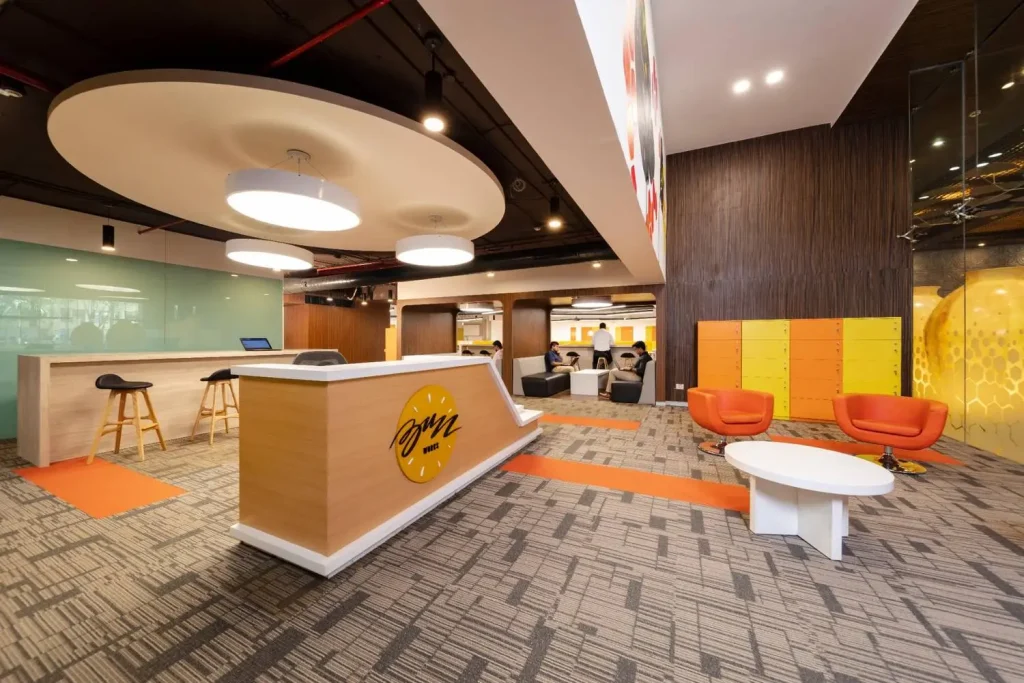
A temporary office space is a short-term workspace solution designed for businesses that need professional environments without committing to long-term leases. These spaces can be rented by the hour, day, week, or month, depending on the provider. Temporary office spaces often include modern amenities such as ergonomic desks, high-speed internet, conference rooms, meeting facilities, shared lounges, and administrative support.
Temporary office rentals have become increasingly popular due to the global shift toward flexible work models. Companies no longer want to spend large budgets on fixed office leases, especially when their workforce is remote or project-based. Temporary offices solve this by offering ready-to-use spaces where businesses can immediately start operating without setup costs.
Why the demand for temporary office space keeps rising
In 2025, the demand for temporary office rentals continues to grow due to digital transformation, remote work structures, and the rise of startups. Businesses now prioritize agility: they want the ability to scale their workspace up or down based on their needs. Temporary offices allow companies to rent as they grow, test new markets, or even run training programs without committing to permanent office contracts.
Another major factor is cost efficiency. Traditional office leases bind businesses to contracts lasting years, often with expensive overhead costs. Temporary office spaces eliminate long-term obligations, allowing companies to invest more in core operations rather than physical infrastructure.
Key Benefits of Hiring Temporary Office Space

Hiring temporary office space provides a wide range of benefits that significantly impact productivity, finances, and operational agility. Businesses can enjoy access to premium facilities without investing in construction, furnishing, or technology installations.
One of the most significant benefits is the ability to move in immediately. Temporary office providers typically offer fully furnished spaces, including desks, chairs, lighting, meeting rooms, and even reception services. This eliminates the need to spend weeks preparing a workspace before operations begin.
Technology-Driven Benefits
Temporary office spaces are equipped with cutting-edge technology such as high-speed fiber internet, digital access systems, interactive whiteboards, and video conferencing setups. These technological features support modern workplace needs, particularly hybrid and remote teams.
Companies also benefit from cybersecurity protections like secured Wi-Fi networks, visitor management systems, and smart office controls. This ensures that sensitive business communications and operations are fully protected.
Technology integration also improves efficiency. Smart scheduling systems help businesses reserve meeting rooms effortlessly, while automated climate control enhances the comfort of the workspace. These tools help teams focus on productivity rather than logistical concerns.
Real-World Products That Support Hiring Temporary Office Space
Below are five real-world workspace solutions/products that perfectly support businesses that want to hire temporary office space. Each example includes a detailed explanation, benefits, and use cases.
Temporary Private Office Suite
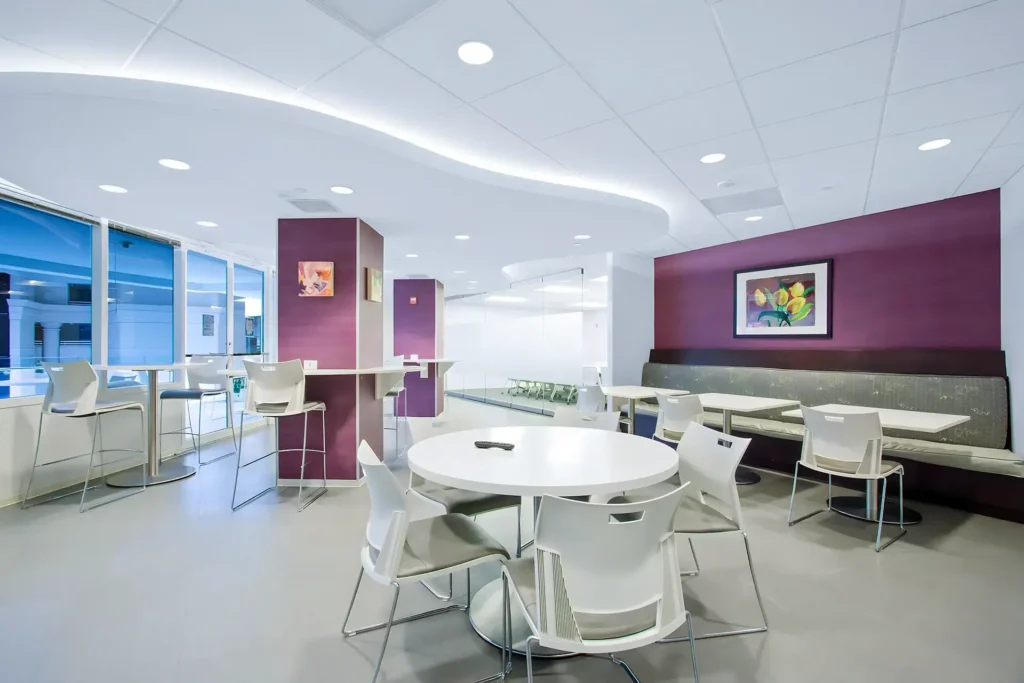
A temporary private office suite is a premium workspace designed for individuals or teams who want complete privacy. These suites are typically soundproof, furnished with executive desks, ergonomic seating, storage cabinets, and digital access systems.
Private office suites allow teams to maintain confidentiality, conduct focused work, and hold internal meetings without interruptions. They are especially suitable for legal firms, consulting agencies, finance professionals, and executives who need quiet environments.
Benefits
Private office suites offer complete control over the workspace. They eliminate distractions, ensuring that teams can work productively and securely. The dedicated environment boosts professionalism, especially when entertaining clients.
Use Case
A consulting company managing a three-month project can rent a private suite to accommodate its analysts and consultants. This setup supports strategic thinking and allows teams to collaborate effectively while maintaining project confidentiality.
Temporary Co-Working Desk

Co-working desks are cost-effective temporary office solutions ideal for freelancers, small teams, and digital nomads. Users share a common workspace with access to shared amenities, including lounges, coffee bars, and printers.
This environment encourages collaboration, networking, and idea sharing among professionals from different industries. Many co-working desks also include flexible membership options that allow daily, weekly, or monthly access.
Benefits
Co-working desks reduce office rental costs significantly. They also provide social benefits; workers can connect with other professionals, gain insights, and even build partnerships. These spaces promote creativity due to their open and dynamic environment.
Use Case
A freelancer visiting a new city can rent a co-working desk for several days to complete client work. This helps them maintain professionalism while avoiding distractions often found in home environments or cafés.
Temporary Meeting Room Rental
Meeting room rentals are temporary office solutions that cater to businesses needing professional environments for presentations, interviews, workshops, and strategy meetings. These rooms often include digital projectors, video conferencing tools, whiteboards, and executive seating.
Meeting rooms are available on an hourly or daily basis, making them ideal for short-term event needs. They are commonly used by remote teams who want to gather occasionally for strategic discussions.
Benefits
Meeting room rentals provide access to high-quality equipment without purchasing it. They also create a professional impression for clients and partners, which strengthens business credibility.
Use Case
A startup conducting investor presentations can book meeting rooms temporarily. This creates a more polished and impressive setting than holding discussions in casual environments.
Temporary Virtual Office
A virtual office offers a business address, mail handling, call forwarding, and administrative support without requiring physical office occupancy. Although it’s not a physical workspace, it is often bundled with access to temporary offices, meeting rooms, or co-working desks when needed.
Benefits
Virtual offices help businesses establish a professional brand presence without renting an office full-time. They also support remote workers by giving them access to an occasional workspace whenever required.
Use Case
An online business can use a virtual office to receive mail and hold occasional meetings. This enhances credibility while keeping expenses extremely low.
Temporary Training Room
A temporary training room is a specialized workspace designed for workshops, employee training programs, software onboarding, and team development sessions. These rooms feature large seating arrangements, projectors, microphones, and fast internet.
Benefits
Training rooms help companies host large group sessions without having to own or maintain their own facilities. The professional environment improves learning outcomes and makes training sessions more impactful.
Use Case
A corporation launching new software can rent a training room for one week to educate employees. The furnished environment ensures a smooth, distraction-free learning experience.
How to Hire Temporary Office Space
Hiring temporary office space begins with assessing your business needs, such as team size, location, duration, and technological requirements. Once your requirements are clear, the next step is contacting workspace providers and scheduling tours. Providers typically offer flexible booking options, allowing businesses to choose daily, weekly, or monthly rentals.
When choosing a workspace, consider factors such as security, internet speed, furniture quality, meeting room availability, and overall environment. Businesses should also evaluate hidden fees or additional services such as printing, parking, or extended access hours.
Purchasing or booking temporary office space is easy: contact the provider, choose the rental duration, and complete the reservation process. Many workspaces allow instant booking, allowing businesses to move in immediately.
Frequently Asked Questions
1. What is temporary office space?
Temporary office space is a short-term workspace solution that can be rented by the hour, day, or month. It includes amenities like desks, meeting rooms, internet, and administrative support.
2. Who should hire temporary office space?
Businesses running short-term projects, startups, freelancers, remote teams, and organizations needing a professional environment for meetings benefit greatly from temporary office rentals.
3. How long can I rent temporary office space?
You can rent temporary office space for any duration—from a few hours to several months—depending on the provider’s policy.