Private Work Space for Rent – The Smart Way to Secure Your Ideal Office Today
In an era of dynamic work models, the demand for private workspaces for rent has skyrocketed. Whether you are a startup establishing your first base, a remote team requiring occasional in-person collaboration, or a project group needing a professional workspace for a defined period, renting a private office offers a smart alternative to long-term leases.
Lockable office area provided within a serviced-office or flexible-workspace environment, fully furnished, equipped with utilities, and often available under shorter commitments.
This article explores what it means, highlights the benefits, examines how technology supports this model, showcases five real product solutions that enhance your rented space, walks you through how to buy or rent and what to look for, describes concrete use-cases, and ends with an FAQ section.
What Renting a Private Work Space Means
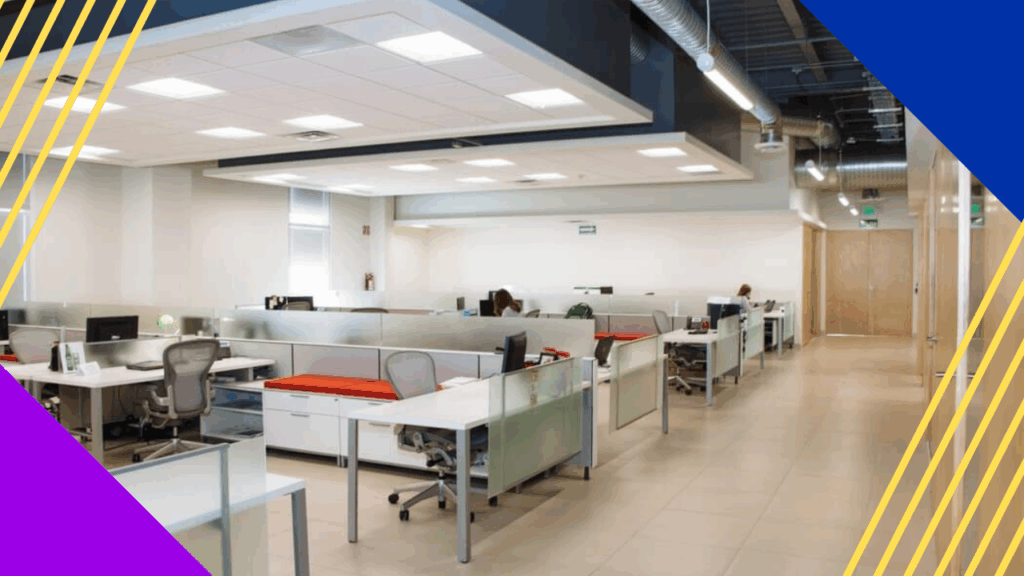
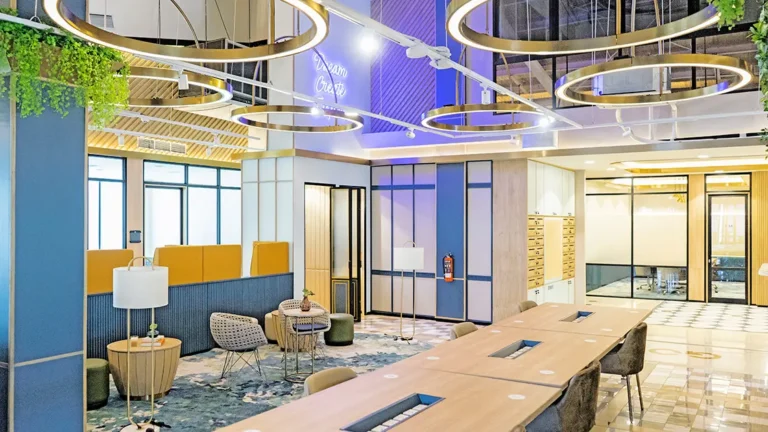
When you rent a private work space, you are essentially leasing a dedicated room or suite in a managed facility rather than signing a typical multi-year lease on raw commercial real estate. Providers of flexible workspaces typically offer fully furnished, move-in-ready offices with utilities, internet, reception services, and amenities already bundled.
You choose the space size based on your team’s needs, and you often pay monthly or even shorter terms rather than committing to years. This means you skip the long-lead time of fit-out, furniture procurement, and extended commitment tied to traditional leases.
Differences from Traditional Office Lease
Traditional office leasing typically involves a direct contract with a landlord, expansion of space, significant fit-out cost, furniture purchase, utilities setup, and often a term of several years. By contrast, renting a private workspace means you enjoy turnkey readiness, flexibility to scale, and lower risk. Many modern serviced offices are fully furnished and ready to move into.
Typical Arrangements and Commitments
You may find options to rent for as little as days, weeks, or months. Many workspace providers specialise in private offices for any team size with flexible terms. These arrangements make the rental of a private work space an attractive option for people who need quick, professional office solutions without the burden of long contracts.
Benefits of Renting a Private Work Space
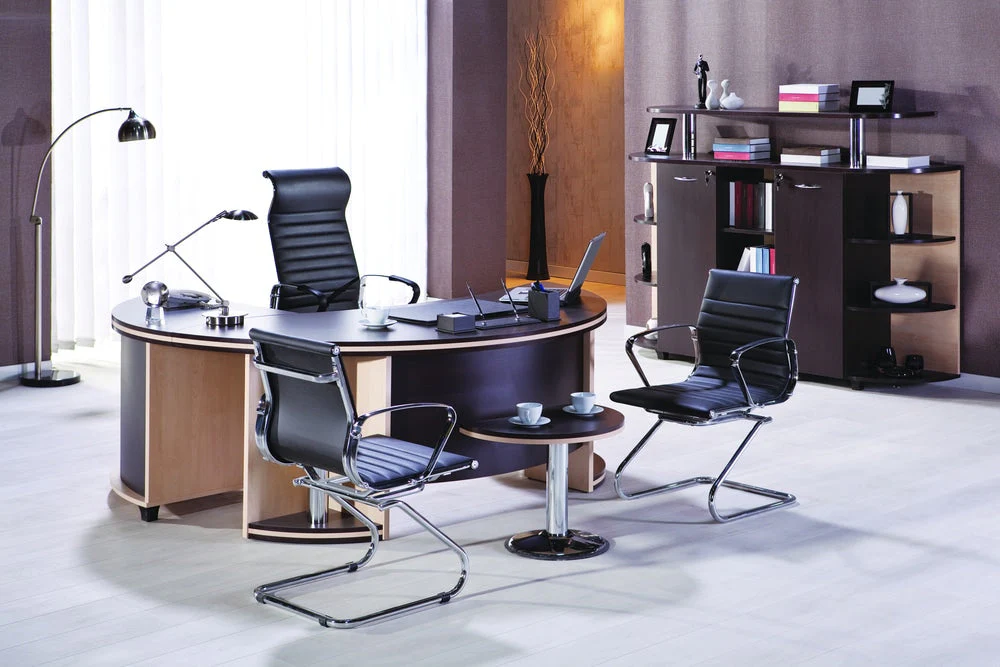
Flexibility and Scalability
Renting a private work space offers unmatched agility. If your team expands, you can move to a larger suite; if you contract or your project ends, you can scale down or exit faster. Unlike fixed multi-year leases, you avoid over-commitment. Many providers advertise flexible license terms and ready-to-move-in offices.
Such flexibility is especially valuable for startups, project-based teams, or rapidly changing businesses. You can start small, test the location or team model, then upgrade or move when you’re ready.
Cost Efficiency and Reduced Upfront Investment
With a private rented workspace, you avoid major upfront costs: you don’t need to purchase furniture, dedicate time to fit-out, or pay large deposits tied to long leases. The managed provider typically includes utilities, cleaning, internet, and security. This means your money goes into operations, not into brick-and-mortar overhead.
Moreover, monthly costs are aligned with usage rather than idle space. You only pay for what you need when you need it.
Immediate Professional Image and Location Advantage
central business districts, and professional amenities — traits that can help elevate your brand image and staff satisfaction. These locations often come with fully equipped meeting rooms, receptions, and high-end interiors that might otherwise take years of investment to achieve through traditional leases.
Convenience & Speed of Setup
Since the space is already furnished and serviced, you can move in quicklyThe timeme between the decision and the operation is greatly compressed. This is ideal for when you need to ramp up quickly for a new market, a new team, or a short-term project. Many providers advertise the time to move into,” meaning you can start operations immediately.
Supporting Hybrid & Remote Work Models
In modern work models, teams are hybrid or remote-first but still need physical space occasionally. Renting a private workspace offers you a flexible “hub” for collaboration without having to maintain a full-time lease. You can select private offices only when needed, thereby matching real usage. This also helps with cost control and optimizing space.
How Technology Supports the Private Work Space Model
Smart Infrastructure, Connectivity & Support Services
Modern private workspaces come with bundled technology: high-speed business-grade internet, secure Wi-Fi, managed printing/scanning, call-answering services, visitor reception, and mail handling. This technology infrastructure allows tenants to plug in and start working from day one.
Modular & Portable Workspace Enhancements
Within a private office rental, you may wish to add modular furniture, acoustic pods, or meeting booths to suit your team’s workflow. These products generate flexibility and enhance privacy. They allow you to create professional zones inside your space: focus rooms, call booths, and collaboration pods. Such modularity is key when you’re in a temporary arrangement and may relocate or scale.
Online Booking & Management Platforms
Providers increasingly allow digital booking, space management, change of plan, and usage analytics. This supports on-demand usage and helps you optimize your space cost based on real activity. The ability to adjust memberships or room size through software adds agility and reduces wasted spend.
Data, Analytics & Optimization
Some workspace providers offer data regarding usage, occupancy, and behaviour patterns. This helps businesses decide when to scale up or down, where to allocate resources, and avoid paying for under-utilised space. Analytics adds sophistication to the private rental model.
Seamless Integrated Services
To maximise productivity, support services (IT, cleaning, reception, security) are integrated and often managed via digital dashboards or apps. This frees the tenant from operational tasks so they can focus on work execution rather than office maintenance.
Five Real-World Products That Complement Private Work Space Rentals

Below are five real products that organisations often add or integrate into their rented private workspaces to enhance privacy, productivity, and professional ambience.
EchoBox Four-Seater Acoustic Pod
Description: A high-quality steel-frame acoustic pod designed for up to four people. It features sound-insulated walls, glass doors, integrated LED lighting, and built-in power/data ports.
Benefits: This pod provides a dedicated quiet zone inside a rented office space. Even in a larger open-plan suite, this gives you a lockable, low-noise meeting area for client calls, team workshops, or brainstorming.
Use Case: A small team rents a private suite for six months. They install the EchoBox pod to create a private meeting room rather than contract a full internal build-out. After the lease ends, they move the pod to another location.
Problem Solved: Many flexible office suites are open or shared; there may be distractions, noise, or a lack of privacy. The pod delivers a professional enclosed space without permanently modifying the building.
Nexus Acoustic Office Pod
Description: A smaller footprint acoustic booth designed for one or two persons. It includes a stool or high chair, a shelf, lighting, and ventilation.
Benefits: Ideal for private calls, video conferences, or focused concentration within your rented office. Its compact footprint means it fits easily without sacrificing whole-room space.
Use Case: A freelancer leases a small private office. They use the Nexus Pod for client video calls while the rest of the suite remains open.
Problem Solved: In a small suite or flexible office rental, you may lack a dedicated quiet zone. This pod gives you privacy without an extensive build-out.
Soundproof Mobile Office Pod Booth (4-6 People)
Description: A mobile meeting pod for 4–6 people with glass doors, LED lighting, furniture included, and high soundproofing
Benefits: Provides a meeting room experience within your private rented workspace, but with mobility built in — when you move offices, the pod moves with you.
Use Case: A project team rents a private workspace for three months. They bring in this portable pod rather than building a fixed meeting room. When the project completes, they relocate the pod to the next site.
Problem Solved: Traditional meeting rooms are expensive and permanent; this mobile solution gives you flexibility aligned with rental periods.
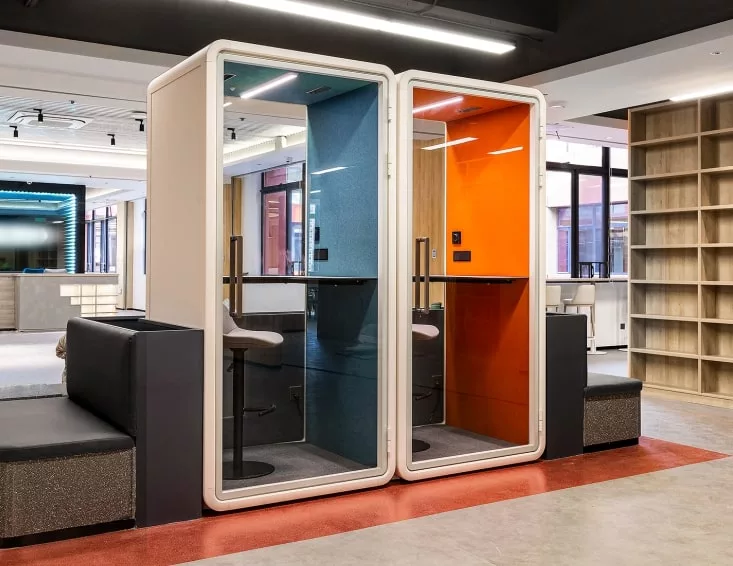
Office Phone Booth Meeting Pod
Description: A compact phone-booth style pod for one or two persons, with sta stooldesk, lighting, ventilation, and a soundproof glass door.
Benefits: Ideal for private calls, video conferences, or deep focus work in your rented private office. Especially useful if the suite is large or shared by multiple users.
Use Case: A freelancer leases a private suite but shares it occasionally with a collaborator; they install this phone-booth pod to ensure client calls remain noise-free and confidential.
Problem Solved: Even in a private suite, ambient noise or lack of internal partitioning can hamper calls or focus time. This pod yields a dedicated quiet zone.
Jinghuan Professional Office Pods
Description: A modular pod system for multiple-person use, featuring sound-insulated walls, customizable layouts, ventilation, and lighting. Often used for break-out zones or training pods.
Benefits: Extremely flexible — you can create breakout areas, collaborative zones, or private work cells within your rented private workspace. Ideal for short-term team programs or training events.
Use Case: A company rents a private workspace for a four-week training session. They install two of these pods as breakout rooms, then dismantle them at the end of the rental.
Problem Solved: Temporary dependent zones often require expensive remodelling. These pods provide temporary zoning without permanent changes.
How to Rent a Private Work Space & Where to Get It
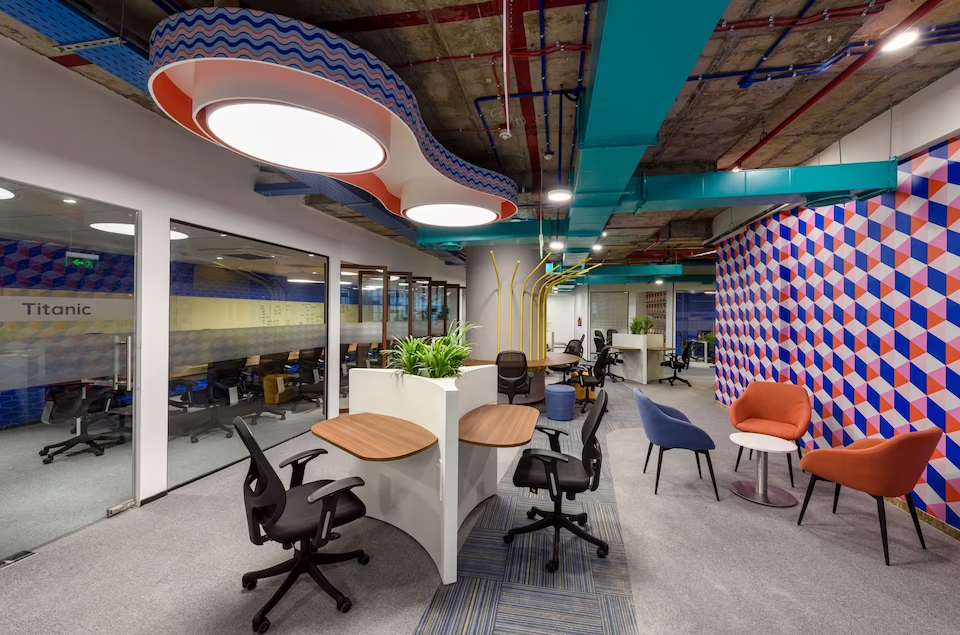
Define Your Needs
Start by identifying: how many people will use the space, and which location best serves your team or clients?
Select a Provider
Look for serviced-office operators, flexible workspace networks, or coworking providers offering private offices. Compare locations, amenities, contract lengths, and included services before choosing.
Choose and Enhance Your Space with Products
Once you decide on the suite size and term, consider which of the product solutions above (pods, booths, modular furniture) you might install to optimise your workflow.
Negotiate Terms & Contract
Carefully review contract terms: rental duration, exit options, extensions, and included services (internet, utilities, cleaning, reception). Make sure you understand what happens if you scale down or up.
Install & Operate
Coordinate with the space provider to ensure your move-in date aligns with the installation of any pods or furniture you’ve acquired. Ensure internet, connectivity, and licences are ready.
Plan for Exit or Transition
Since one of the major benefits is flexibility, plan for what happens at the end of your term. If you installed equipment, decide whether it will stay, be moved, or be returned.
Who Should Rent a Private Workspace Space
Startups & Early-Stage Companies
Startups often need a professional location but cannot commit to multi-year leases. Renting a private workspace lets them move in fast, project professionalism, and scale up when ready.
Project Teams or Temporary Deployments
If a team is working on a fixed-term project such as a product launch or campaign, renting a private workspace suits the duration and offers professionalism without long-term cost.
Hybrid or Remote-First Organisations
Remote-first companies often still need periodic in-person interaction. Renting a private workspace allows periodic team gatherings in a professional environment without a full-time lease.
Branch or International Expansion Testing
If a company is entering a new market or opening a satellite office, renting a private workspace gives them a base without committing to a long lease.
Transition Phases: Renovation or Relocation
When your main office is being renovated or you’re relocating, a rented private workspace acts as a temporary base, giving your team uninterrupted productivity.
Common Mistakes & How to Avoid Them
- Underestimating technology needs: Always verify that internet speed, reliability, and IT support are included.
- Over-customising a temporary space: Avoid expensive build-outs or permanent installations for short-term rentals.
- Ignoring scaling terms: Ensure you can extend, scale up or down, or leave without severe penalties.
- Neglecting privacy zones: Even in private suites, you may require soundproof areas for calls or video.
- Overlooking hidden costs: Confirm what is included (utilities, cleaning, support). Some suites may add hidden fees.
- Failing to plan for equipment: If you bring pods or furniture, plan how to remove or transition them later.
Summary
Renting a private workspace offers modern businesses a highly flexible, cost-efficient, and professional solution for their workspace needs. It eliminates many of the burdens tied to traditional office leases, allows rapid move-in, and supports growth, project-based work, hybrid models, or expansion phases.
When combined with modular product enhancements like acoustic pods or meeting booths, you have a powerful, agile workspace tailored to your needs. Whether you’re a startup, remote organisation, project team, or international company testing a new market, choosing a private workspace or renting positions positions you for productivity and flexibility.
Frequently Asked Questions
What is the minimum duration for renting a private workspace?
The minimum rental term depends on the provider. Many flexible workspace operators offer terms as short as one day or one month, while private offices typically start from several weeks to months.
Do I need to bring my own furniture and equipment?
Generally not. Private work spaces for rent are typically furnished and include essential equipment: desks, chairs, internet, utilities, and cleaning. You may choose to add additional furniture or acoustic pods if specific workflow or privacy needs arise.
Can I scale up or down my rented office if my team changes?
Yes. One of the main advantages of renting a private workspace is flexibility. Most providers allow you to adjust your space size or rental period based on your business needs.