Best Shared Office for Rent: Flexible Workspaces That Redefine Modern Productivity
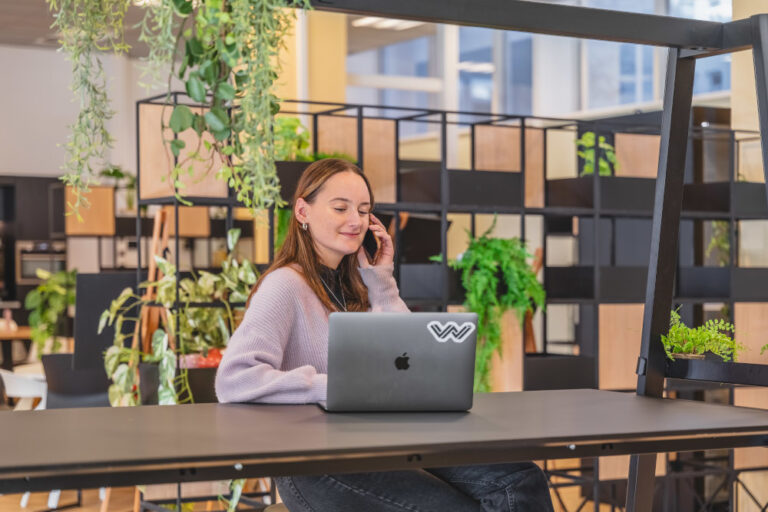
The modern workforce has undergone a dramatic transformation in recent years. With the rise of startups, freelancers, and hybrid work models, the concept of a “shared office for rent” has become more than just a trend—it’s a new standard in professional work environments.
Shared offices, also known as coworking spaces, provide flexible rental solutions for individuals and companies seeking productive environments without the burden of long-term leases or high overhead costs. Unlike traditional offices, shared workspaces foster collaboration and innovation by bringing together professionals from different industries under one roof.
Companies today, from tech startups to established enterprises, increasingly rely on these flexible offices to scale operations efficiently, access premium amenities, and stay agile in a rapidly changing business landscape.
Why Businesses Prefer Shared Offices Over Traditional Rentals
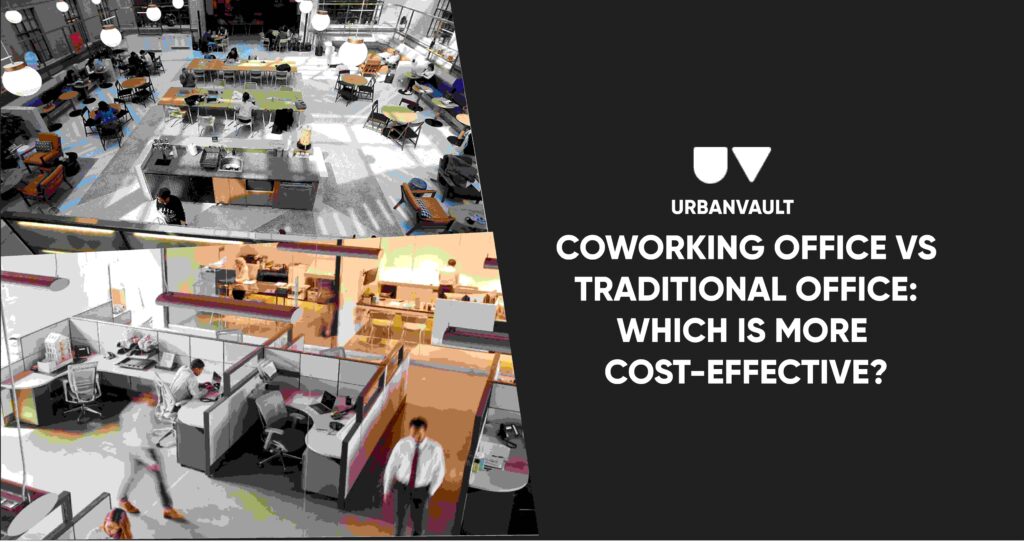
One of the main reasons businesses gravitate toward shared office spaces is cost efficiency. Renting a traditional office involves numerous expenses: leases, maintenance, furnishings, utilities, and long-term commitments. In contrast, shared office rentals are typically pay-as-you-go or monthly subscription-based, allowing companies to save resources and scale up or down as needed.
Additionally, shared offices often include essential amenities such as high-speed internet, printing facilities, meeting rooms, and fully stocked pantries—features that would otherwise require separate investments. Many of these spaces also provide 24/7 access, enabling global teams or freelancers to work according to their own schedules.
The result is an environment where productivity thrives without the rigid constraints of traditional office setups.
Key Benefits of Renting a Shared Office
1. Flexibility and Scalability
Shared offices offer a level of flexibility that conventional office spaces simply cannot match. Businesses can easily adjust their workspace size depending on their team’s growth or downsizing needs. Startups that once needed only a few desks can seamlessly expand to private suites without having to relocate.
2. Networking Opportunities
Coworking environments naturally foster collaboration. Professionals from various industries—designers, marketers, developers, consultants—share the same space, creating valuable networking and partnership opportunities. This culture of openness and connection often leads to creative problem-solving and potential business collaborations.
3. Enhanced Productivity
Shared workspaces are designed to boost focus and efficiency. The layout, ambient lighting, ergonomic furniture, and noise control systems all contribute to a productive environment. Additionally, many shared offices organize community events or professional workshops that encourage skill development and motivation among members.
4. Access to Premium Locations
Another major benefit of shared office rentals is their presence in prime city centers or business districts. These locations offer prestige and convenience without the high rental costs typically associated with central business hubs. For startups and professionals, having a business address in such areas can enhance credibility and attract clients.
5. Cost-Effective Operations
Shared offices eliminate the need for large upfront investments. The membership model includes utilities, cleaning, and facility maintenance within the monthly fee. This makes budgeting simpler and more predictable, especially for small businesses or entrepreneurs managing tight finances.
Top 5 Shared Office Spaces to Consider
Below are some of the most reputable and innovative shared office providers available globally. Each one offers unique features, flexible rental plans, and world-class amenities designed to meet various professional needs.
WeWork
WeWork is one of the most recognized names in the coworking industry. With locations in major cities across the world, it provides flexible office solutions for teams of all sizes.
WeWork spaces feature beautifully designed interiors, high-speed internet, private phone booths, and fully equipped conference rooms. Members can access networking events, business mentorship programs, and community support.
Use Case: Startups and small businesses often choose WeWork for its scalability. Whether you need a single desk or an entire floor, WeWork’s flexible leasing terms and professional environment make it ideal for growing companies.
Benefit: The combination of premium facilities and an active professional community enhances brand image and team morale.
Regus
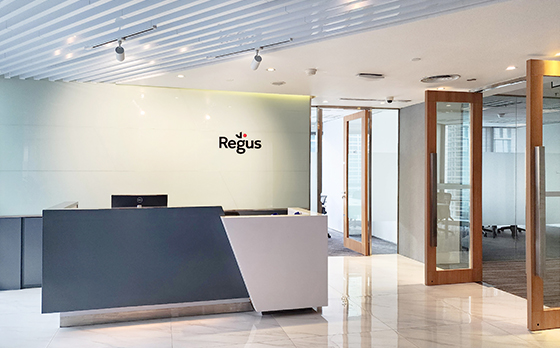
Regus offers shared office spaces in over 120 countries, making it one of the most accessible coworking providers worldwide. Their offices cater to both freelancers and large corporations seeking global business addresses.
Each Regus location includes fully furnished offices, meeting rooms, and administrative support services. The flexible rental model allows companies to book spaces for an hour, a day, or longer—whatever fits their operational needs.
Use Case: Remote professionals or multinational companies can benefit from Regus’s international reach, making it easier to establish temporary offices across different cities.
Benefit: Regus provides consistency and professional support, ensuring a seamless working experience wherever you are in the world.
Spaces

Spaces focuses on creativity and collaboration. Their modern, vibrant offices attract entrepreneurs, designers, and tech startups who thrive in dynamic environments.
Spaces emphasizes open-plan areas and contemporary design, offering cafes, lounges, and even event spaces within their facilities. Members gain access to global business lounges and community networks.
Use Case: Ideal for creative teams and freelancers seeking an inspiring place to work while networking with like-minded professionals.
Benefit: Spaces fosters innovation through architectural design and cultural events that enhance productivity and creativity.
Industrious
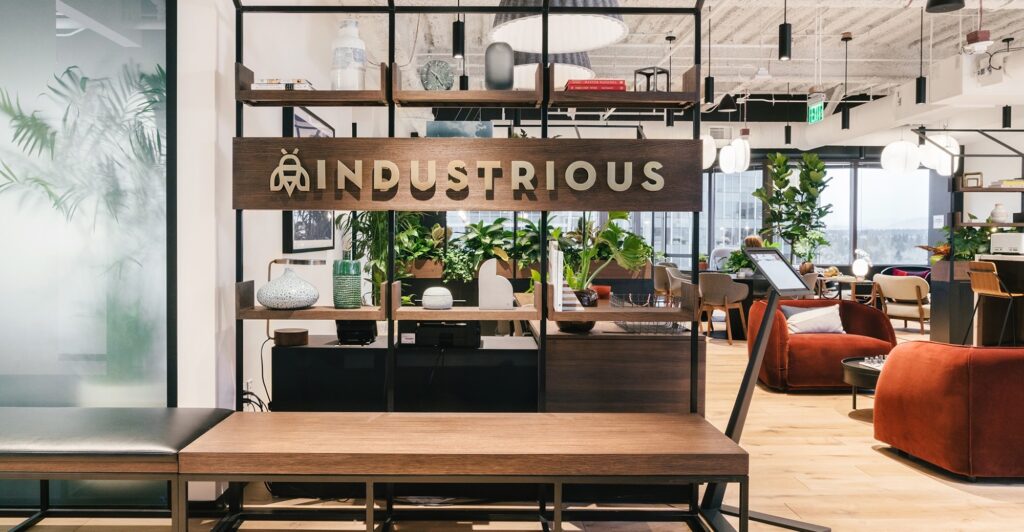
Industrious is known for its premium approach to shared office rental. Each location combines luxury design with high-end hospitality, offering members concierge-style service, gourmet snacks, and wellness programs.
Their flexible membership plans include options for private offices, team suites, or shared coworking desks. Industrious focuses on building community and providing personalized support for each member’s business growth.
Use Case: Professionals and companies that value comfort, aesthetics, and personalized service will appreciate Industrious’s high-quality offerings.
Benefit: The refined environment helps improve employee satisfaction and productivity, making it ideal for high-performing teams.
The Hive

The Hive offers shared office spaces primarily across Asia-Pacific, providing creative, modern workspaces for entrepreneurs, freelancers, and startups. Each location combines aesthetic interiors with local cultural elements, making the atmosphere welcoming and inspiring.
The Hive emphasizes community and inclusivity through workshops, networking events, and mentorship programs. Members can work from any location within the Hive network using flexible membership plans.
Use Case: Digital nomads or small businesses that frequently travel across Asia benefit from The Hive’s network and consistent quality of service.
Benefit: The Hive’s culturally rich environment supports creativity, connection, and professional growth.
Solving Real-World Business Challenges
Shared offices solve a variety of operational and logistical problems for modern businesses. Below are some examples of how these workspaces address key challenges:
- For Freelancers: Shared offices provide a structured, professional environment to separate work from home life, enhancing focus and productivity.
- For Startups: They offer flexible terms and cost-effective setups that eliminate long-term financial commitments.
- For Remote Teams: Companies with distributed teams can provide employees with professional spaces in various locations without opening multiple branches.
- For Enterprises: Shared offices can serve as temporary satellite offices for project-based teams or business expansions.
- For Event Organizers: Many coworking spaces rent out event areas or meeting rooms for corporate workshops, client meetings, or networking events.
These practical applications demonstrate the versatility and necessity of shared offices in today’s professional landscape.
How to Rent a Shared Office
The process of renting a shared office is simple and efficient:
- Identify Your Needs: Determine whether you require an open desk, private office, or meeting room access.
- Choose a Location: Select a workspace near your clients or in a prime business district.
- Request a Tour: Visit the workspace to experience the environment and amenities firsthand.
- Select a Plan: Decide between daily, weekly, or monthly rental packages based on your work schedule.
- Sign the Agreement: Complete the membership process, and you’re ready to start working immediately.
Most shared office providers allow you to book online or directly contact their sales teams to tailor plans according to your business requirements.
Where to Find Shared Offices
You can find shared offices for rent in major business hubs and metropolitan cities worldwide. Popular options include city centers, commercial complexes, and startup districts. Global coworking providers like WeWork, Regus, and Spaces maintain directories on their websites, allowing you to filter spaces based on budget, amenities, and availability.
Frequently Asked Questions
1. What is the difference between a shared office and a coworking space?
Both terms are often used interchangeably. However, a shared office may emphasize private offices within a shared facility, while coworking spaces typically focus on open, collaborative environments.
2. Can I rent a shared office for a single day?
Yes. Many coworking providers offer daily passes or short-term rental options, ideal for business travelers or freelancers who need temporary workspaces.
3. Are shared offices suitable for large companies?
Absolutely. Many enterprises use shared offices for branch operations, project-based teams, or remote employee hubs, benefiting from flexible terms and premium facilities.